-
The Sigh of Eels2022.05 The Sigh of Eels
This work is a video piece that uses the Japanese eel, an endangered species, as a point of departure for thinking about the relationship between our everyday lives and ecosystems.
For many years, researchers have studied the ecology of the Japanese eel. Important progress has been made, including the discovery of its spawning grounds and advances toward full-cycle aquaculture. However, protecting eels from extinction requires more than biological research and breeding technologies alone.
Eels are migratory fish that move between rivers and the sea. Their survival is therefore deeply affected by the environments and systems created by human society: river weirs and embankments, changes in water quality, the loss of tidal flats, fishing pressure, and the ways in which eels are distributed and consumed.
Infrastructure built to protect human communities from floods and other disasters can also obstruct the movement of aquatic species. How can we maintain safe and convenient cities while also protecting ecosystems? There is no simple answer.
Thinking about the extinction of the Japanese eel, then, is not only about one species of fish.
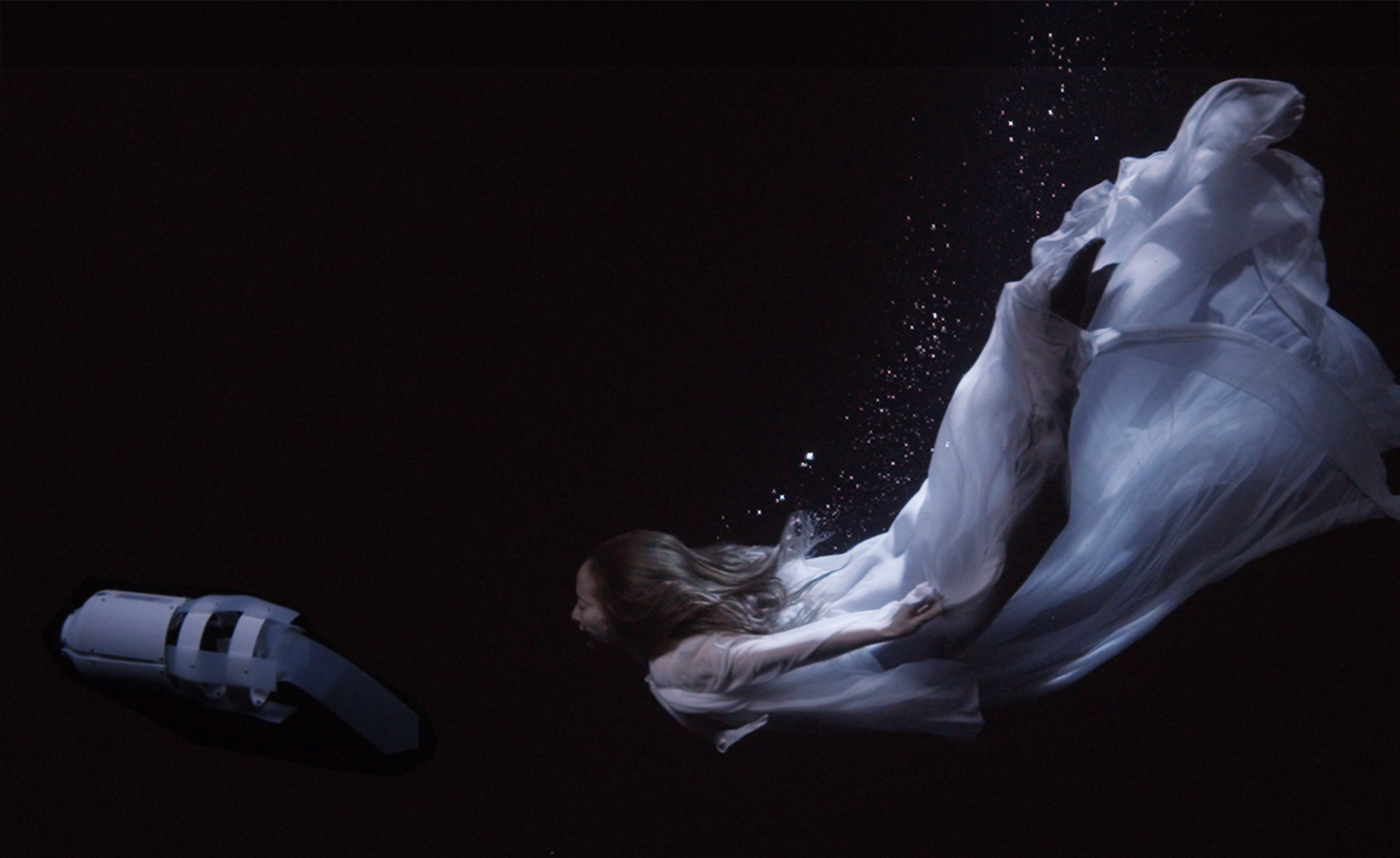
It leads us to broader questions about river environments, water pollution, the connection between rivers and the sea, urban development, food culture, the sustainable use of biological resources, and the systems surrounding fishing and distribution.
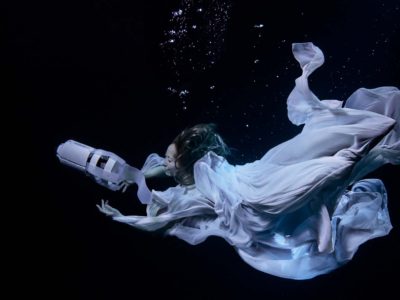
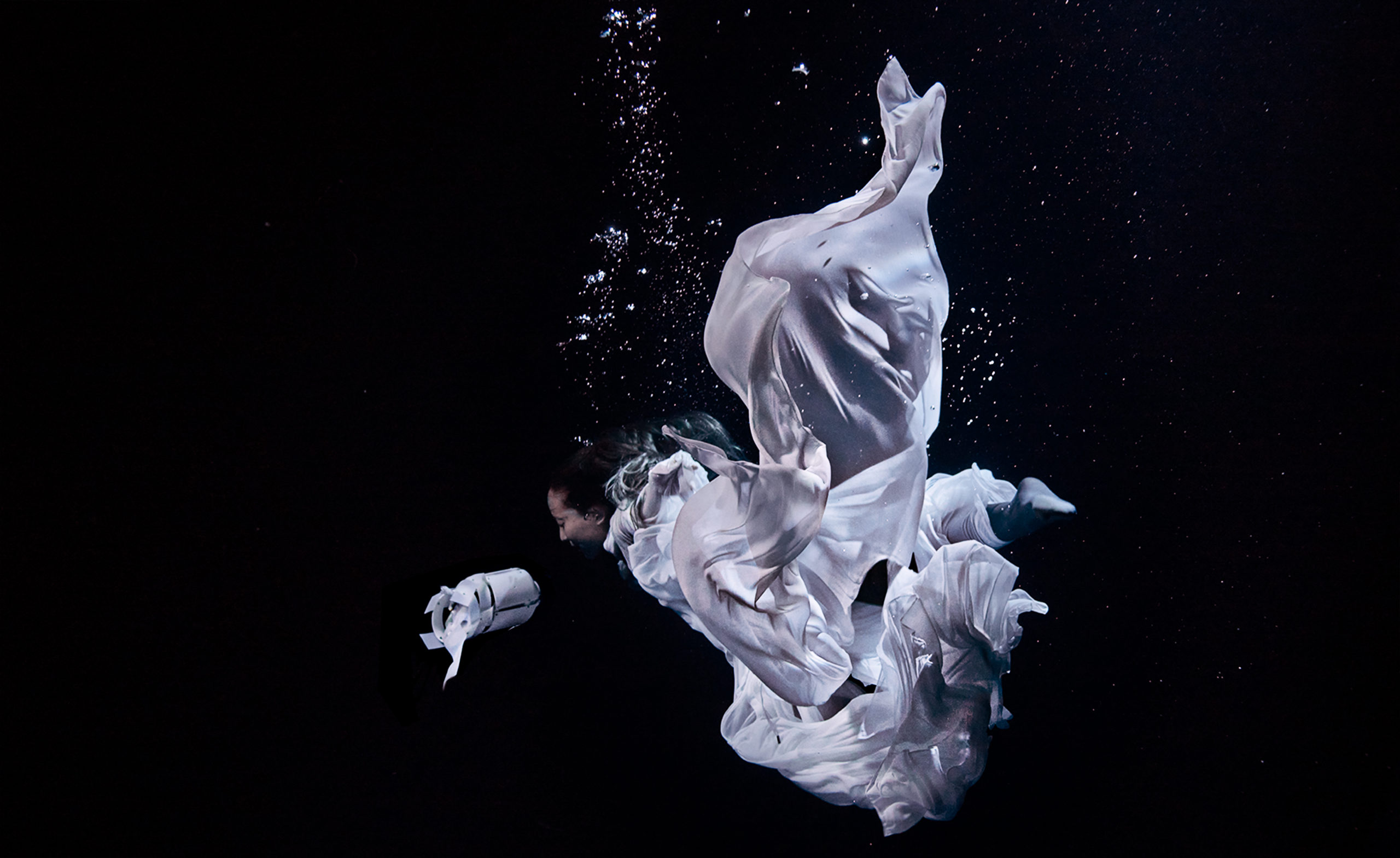
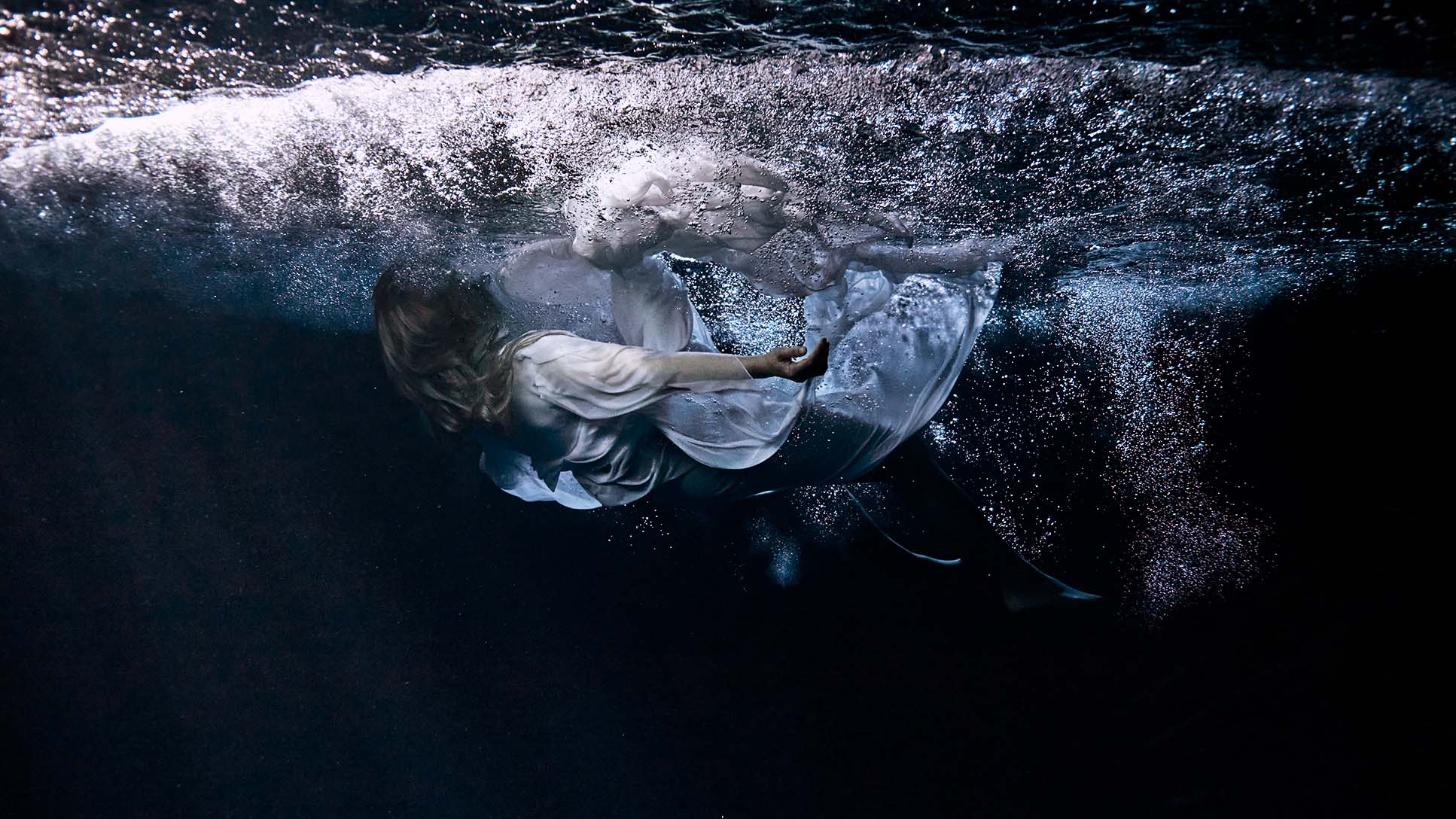
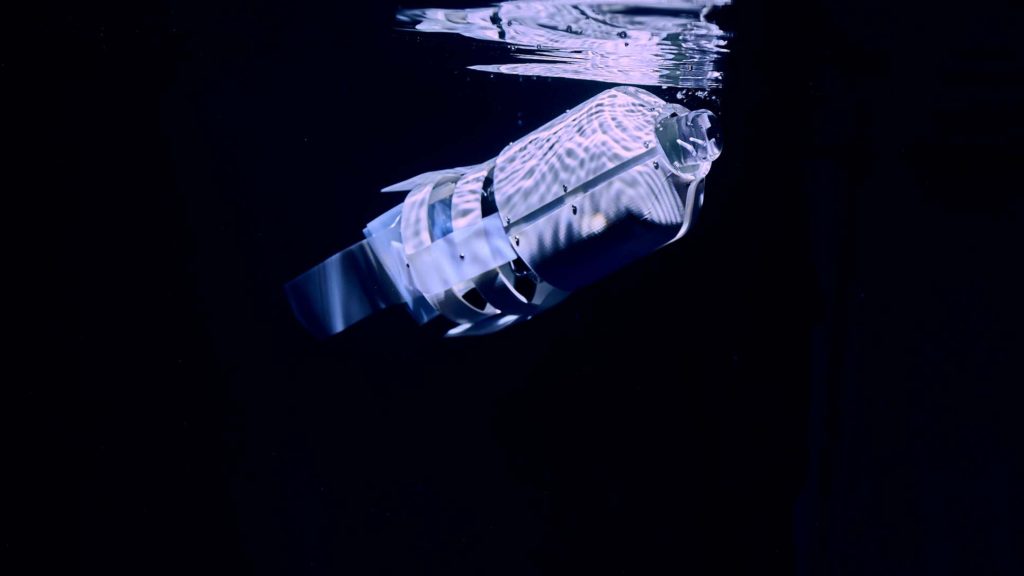
In this work, rather than depicting an adult eel, I created a robot inspired by the eel larva known as a leptocephalus.
Leptocephali are nearly transparent, leaf-shaped organisms with a strange and delicate way of swimming. Their appearance is completely different from the eel we are accustomed to seeing on the dining table.
By presenting the eel in an unfamiliar form, I wanted viewers to encounter it not simply as food, but as a living organism.
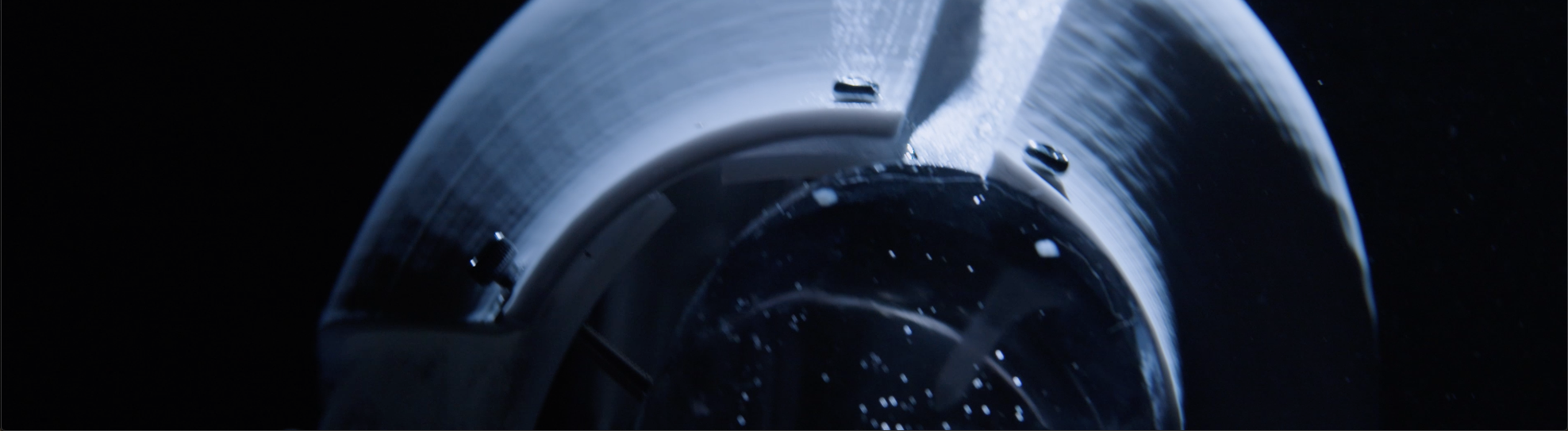
Inside the robot is an actual otolith from a Japanese eel. Otoliths contain information about a fish’s growth and movement and are also used by researchers to study the life histories and ecology of eels.
This work was created as part of the Agency for Cultural Affairs’ “CULTURE GATE to JAPAN” project and was made to be shown at the Tokyo International Cruise Terminal.
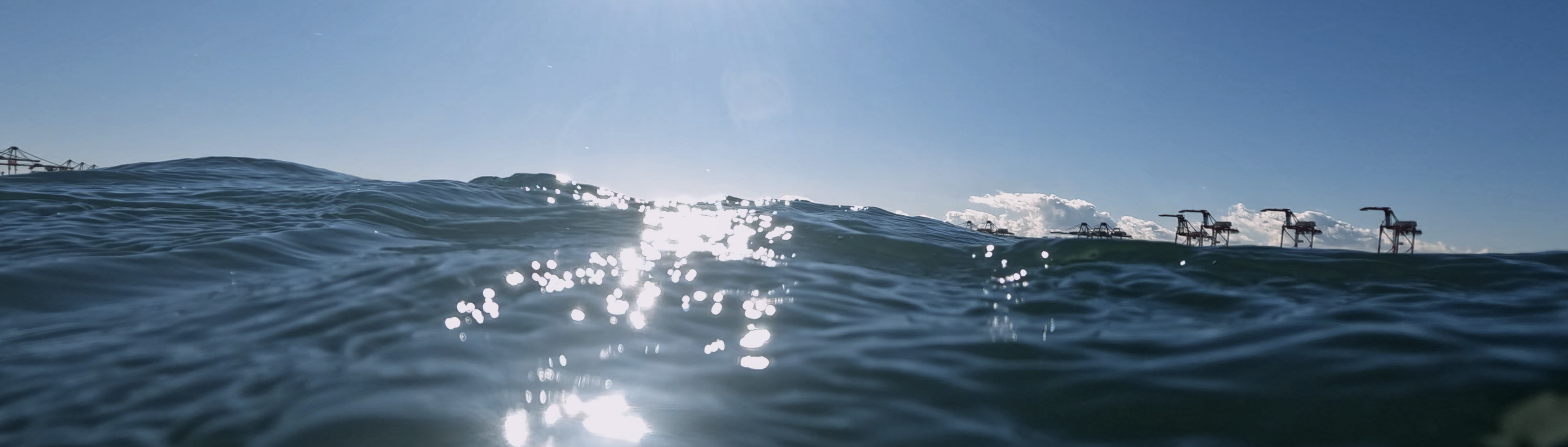
The terminal is a gateway through which people arrive in Tokyo from overseas by sea, and also a place where people returning to Japan encounter this land once again.
What might it mean to show, in such a place, an image of a species that has long inhabited the waters surrounding Tokyo?
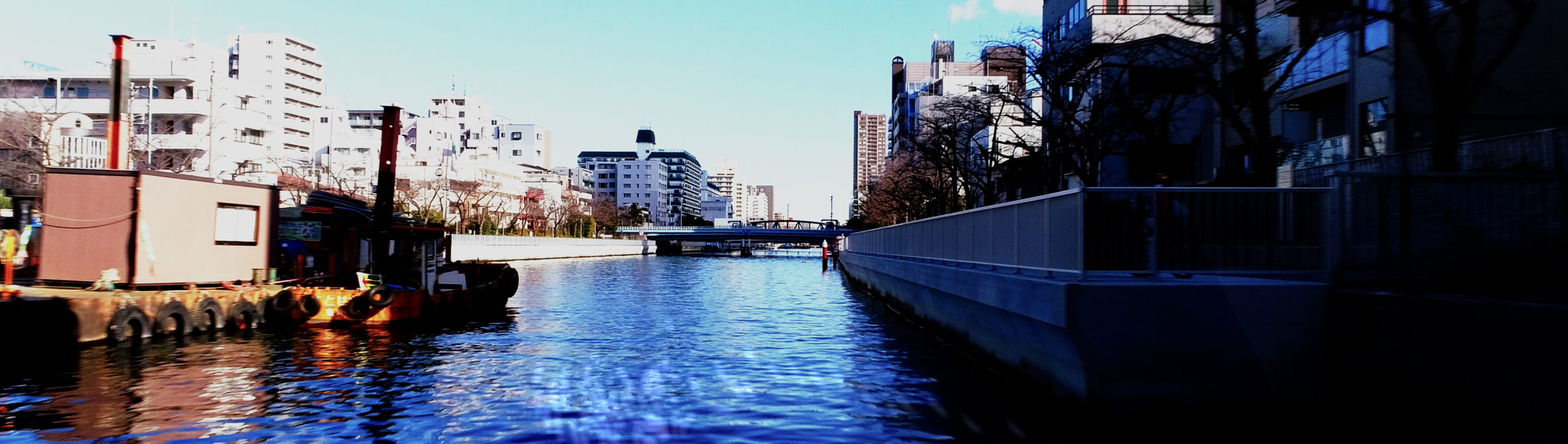
Could Tokyo Bay and its rivers be seen not simply as part of the urban landscape, but once again as habitats shared by many different forms of life?
Research and technology can help us understand other living organisms. But knowledge alone is not enough to protect an ecosystem.
Changing environments, policies, and the ways we live requires something more fundamental: people first need to notice, understand, and care about what is happening.
By paying attention to a single species facing extinction, our gaze can begin to expand toward the land and sea in which we live, and toward the many forms of life with which we share these environments.
This work was created as a small entry point into that process.
MOVIE:
Director,Editor : TAKIDO Dorita
Movie Supervisor : IWAGUCHI Tetsuya
Underwater scene Director Of Photography : IKEYA tomohide
2nd Camera : HOSHINO Kosaku
Technical Assistant : KAWASE Keiju(TAIL)
Still Photographer & Assistant : TANITSU Sho
Underwater Assistant: NAKAMURA Ayuko,HIGUCHI Ryohei
Lighting Assistant: OHYAGI Leo,UCHIDA Chitose,OTA Tsugumi
Underwater Model : IIJIMA Ayako
Production : IIJIMA sayaka
Drone : WATANABE Akio
Costume: HATRAROBOT:
Robot Design,Development : TAKIDO Dorita
Electronics Tutor:YOSHIDA Tomofumi(of Sheep inc.)
Robotics technical support: NIIYAMA Ryuma
Electronics Supervisor: SAITA Kazuki(Kinoshita laboratory)Music : TOKUSASHI Kengo
Eel provided by : A Zero inc.
Eel ear stone picking support : Ashley Rinka SmithSpecial Thanks : Shiryu Kirie
photo by IKEYA Tomohide, TANITSU Sho
project info:
https://culture-gate.jp/ja/exhibition/2022cruise/

INFORMATION
-
-
-
-
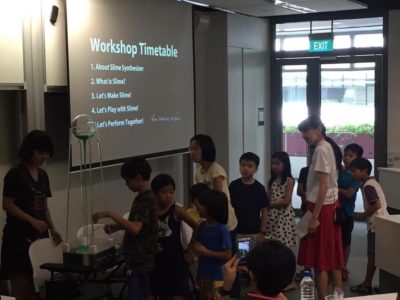 2021.03.11 Maker Fair Singapore